
-
Llamanos +86-755-2543 2352
-
Envíanos un correo electrónico info@urbanmines.com
-
Ven a visitarnos No. 11, Bld. C, Hengmingzhu Tech. Industrial Park, Shajing Subdistrict, Bao'an District, Shenzhen, Guangdong, China
Llamanos +86-755-2543 2352
Envíanos un correo electrónico info@urbanmines.com
Ven a visitarnos No. 11, Bld. C, Hengmingzhu Tech. Industrial Park, Shajing Subdistrict, Bao'an District, Shenzhen, Guangdong, China
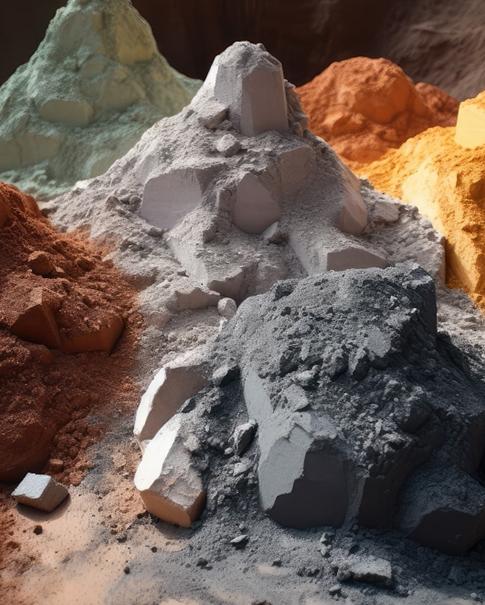
Tetracloruro de hafnio: Un material fundamental en los procesos avanzados de fabricación de semiconductores y sus aplicaciones en múltiples campos.
A medida que la fabricación de semiconductores se acerca cada vez más a sus límites físicos, cada avance en la ciencia de los materiales impulsa mejoras en el rendimiento de los chips. Tetracloruro de hafnio (HfCl₄)El tetracloruro de hafnio, un polvo cristalino blanco aparentemente común, se está convirtiendo en un material clave indispensable en los procesos de fabricación avanzados debido a sus propiedades fisicoquímicas únicas. Desde capas dieléctricas de puerta con alta constante dieléctrica hasta memorias de última generación, desde cerámicas de ultra alta temperatura hasta baterías de nueva energía, el panorama de aplicaciones del tetracloruro de hafnio se expande constantemente.
I. Aplicaciones principales de semiconductores: dieléctricos de puerta de alta constante dieléctrica y memoria avanzada
A medida que los procesos de fabricación de chips avanzan hacia los 5 nanómetros y menos, los dieléctricos de puerta tradicionales de dióxido de silicio (SiO₂) ya no cumplen con los requisitos debido a la excesiva corriente de fuga. Las películas delgadas a base de hafnio, con su alta constante dieléctrica (valor k), se han convertido en un material ideal para reemplazar al SiO₂.
Capa aislante de la compuerta del transistor: El tetracloruro de hafnio (HfO₂) se utiliza como material precursor de semiconductores. Las películas delgadas de óxido de hafnio (HfO₂) se depositan y cultivan mediante procesos de deposición de capas atómicas (ALD) o deposición química de vapor (CVD), y se utilizan ampliamente en estructuras de transistores de compuerta metálica de alta constante dieléctrica (HKMG). Desde los nodos tecnológicos de 45 nm/32 nm, el HfO₂ ha reemplazado al SiO₂ como material estándar para la capa dieléctrica de la compuerta, resolviendo eficazmente el problema de la corriente de fuga y permitiendo la miniaturización continua de los dispositivos.
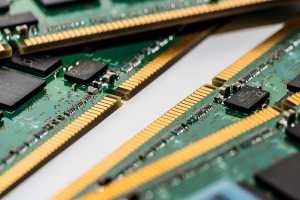
Aplicaciones de memoria: Las películas delgadas a base de hafnio también desempeñan un papel crucial en la memoria de acceso aleatorio dinámico (DRAM) y en las nuevas memorias no volátiles. El óxido de hafnio se puede utilizar para fabricar nuevos transistores de efecto de campo (FET) y capas dieléctricas para condensadores DRAM, lo que mejora la densidad de almacenamiento y la capacidad de retención de datos.
II. Baterías de nueva energía: electrolitos sólidos y materiales de electrodos de alta capacidad
La aplicación del tetracloruro de hafnio en el campo de las nuevas energías se está expandiendo rápidamente, convirtiéndose en un precursor importante para la investigación y el desarrollo de materiales para baterías de próxima generación.
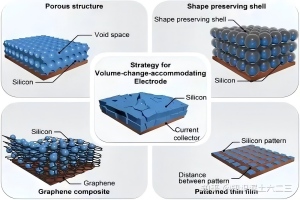
Materiales electrolíticos de estado sólido: tetracloruro de hafnio Puede utilizarse como precursor para sintetizar fosfato de hafnio y litio. Gracias a su alta conductividad iónica y estabilidad química, este material se emplea como electrolito sólido en baterías de iones de litio. Los electrolitos sólidos se consideran una vía clave para mejorar la seguridad y la densidad energética de las baterías.
Material catódico de alta capacidad: El tetracloruro de hafnio también puede utilizarse como precursor de materiales catódicos de alta capacidad en baterías de iones de litio y de sodio, lo que abre un nuevo camino para mejorar la densidad energética de las baterías.
III. Materiales avanzados: Cerámicas de ultra alta temperatura y películas delgadas ópticas
También cabe destacar las aplicaciones del tetracloruro de hafnio en materiales para entornos extremos y en óptica.
Cerámicas de ultra alta temperatura: El tetracloruro de hafnio es un precursor importante para la preparación de cerámicas de ultra alta temperatura (UHTC). Las cerámicas a base de hafnio tienen puntos de fusión extremadamente altos y una excelente resistencia a la oxidación, lo que las hace idóneas para entornos extremos, como los sistemas de protección térmica para aeronaves hipersónicas y toberas de motores de cohetes.
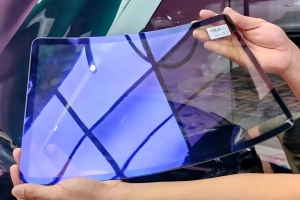
Películas ópticas delgadas y LED de alta potencia: Gracias a sus excelentes propiedades ópticas y estabilidad térmica, el tetracloruro de hafnio se puede utilizar para preparar películas ópticas delgadas para dispositivos optoelectrónicos de infrarrojo cercano. En los materiales de encapsulado de LED de alta potencia, los materiales a base de hafnio mejoran la disipación de calor del dispositivo y prolongan su vida útil.
IV. Catálisis y productos químicos finos: diversas aplicaciones en la síntesis orgánica.
La aplicación del tetracloruro de hafnio en el campo de la catálisis demuestra su versatilidad.
Reacciones catalíticas: El tetracloruro de hafnio puede utilizarse como catalizador en reacciones como la acilación, la esterificación y la polimerización de olefinas. También puede formar complejos con compuestos orgánicos, promoviendo reacciones de craqueo catalítico del petróleo. Además, el tetracloruro de hafnio presenta una excelente actividad catalítica en la acetalización de compuestos carbonílicos y en la esterificación directa de ácidos carboxílicos con alcoholes.
Síntesis química fina: En las industrias farmacéutica y de fragancias, el tetracloruro de hafnio se utiliza en la síntesis y preparación de fármacos anticancerígenos y antiinflamatorios, como los aminofosfonatos. Como intermediario en la síntesis de productos químicos finos, desempeña un papel fundamental en la construcción de moléculas orgánicas complejas.
V. Industria nuclear: sistemas de refrigeración y recubrimiento del combustible nuclear
En la industria nuclear, se está explorando gradualmente el potencial del tetracloruro de hafnio. Gracias a su excelente capacidad de absorción de neutrones, el hafnio puede utilizarse en sistemas de refrigeración de reactores nucleares y en recubrimientos de combustible nuclear. Si bien sus principales aplicaciones se encuentran actualmente en forma de hafnio metálico u óxido de hafnio, el tetracloruro de hafnio, como precursor de compuestos de hafnio de alta pureza, presenta aplicaciones potenciales en este campo.
VI. Ventajas de China en la fabricación y tecnología de minería urbana
La industria china del tetracloruro de hafnio de grado electrónico está experimentando un rápido desarrollo. Los datos de investigación del sector muestran que el mercado chino de tetracloruro de hafnio de grado electrónico se expande continuamente, la capacidad de producción aumenta de forma constante y el número de patentes relacionadas con la tecnología de purificación también crece. Varias empresas chinas ya han adquirido la capacidad de producir tetracloruro de hafnio de alta pureza de grados 5N y 6N, lo que proporciona un suministro fiable de materiales para la cadena de suministro global de semiconductores.
Tecnología de UrbanMines.UrbanMines Tech, una empresa china especializada en la investigación, el desarrollo, la producción y la venta de tetracloruro de hafnio y compuestos de hafnio, ha acumulado una amplia experiencia en este campo. La empresa cuenta con líneas de producción profesionales en provincias del interior de China, lo que garantiza la estabilidad y la consistencia de la calidad del producto. Gracias a su profundo conocimiento de las necesidades del cliente, UrbanMines Tech puede ofrecer soluciones de producto personalizadas basadas en los requisitos específicos de pureza, contenido de impurezas, etc., logrando plazos de entrega cortos y suministro de lotes pequeños. Con 16 años de trayectoria, el 60% de sus clientes son clientes a largo plazo con una cooperación continua de más de 5 años. La empresa posee todas las cualificaciones para la exportación y una amplia experiencia operativa, lo que la convierte en una fuerza vital para la entrada de materiales de hafnio de alta pureza de China en el mercado global.
Conclusión
Desde procesos avanzados de fabricación de semiconductores hasta baterías de nueva energía, desde cerámicas de ultra alta temperatura hasta síntesis química fina, las aplicaciones del tetracloruro de hafnio continúan expandiéndose. A medida que los procesos de fabricación de chips se miniaturizan y la industria de las nuevas energías florece, la importancia de este material clave aumentará aún más. Elegir tetracloruro de hafnio de alta pureza y consistencia es elegir una garantía de rendimiento y fiabilidad del producto.
ETIQUETAS :



Derechos de autor @ 2010-2026 UrbanMines Tech. Co., Ltd. Reservados todos los derechos .
 IPv6 RED SOPORTADA